 Pin it
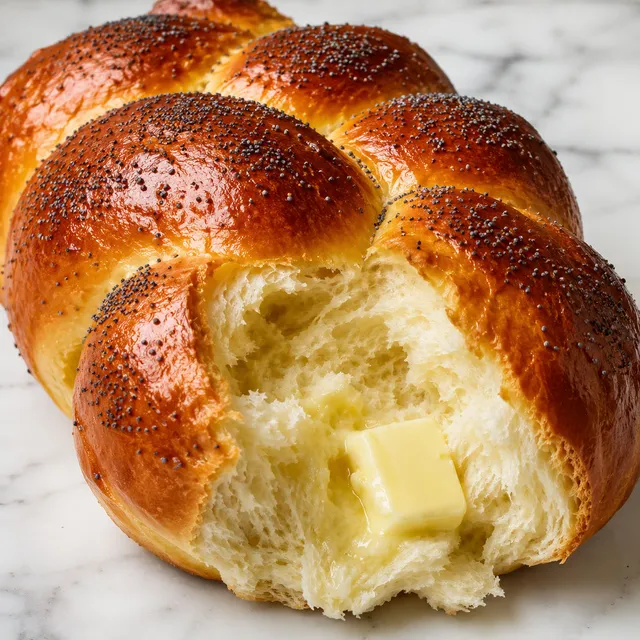
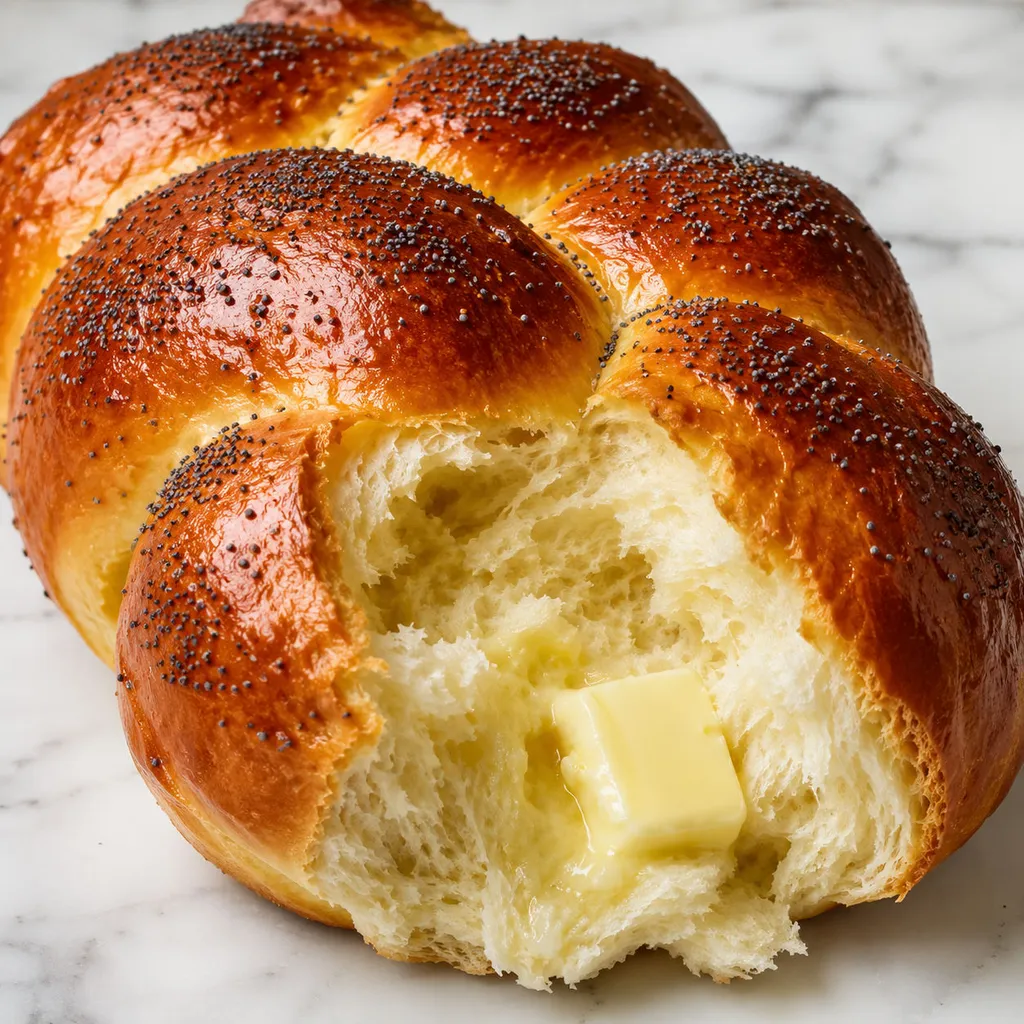
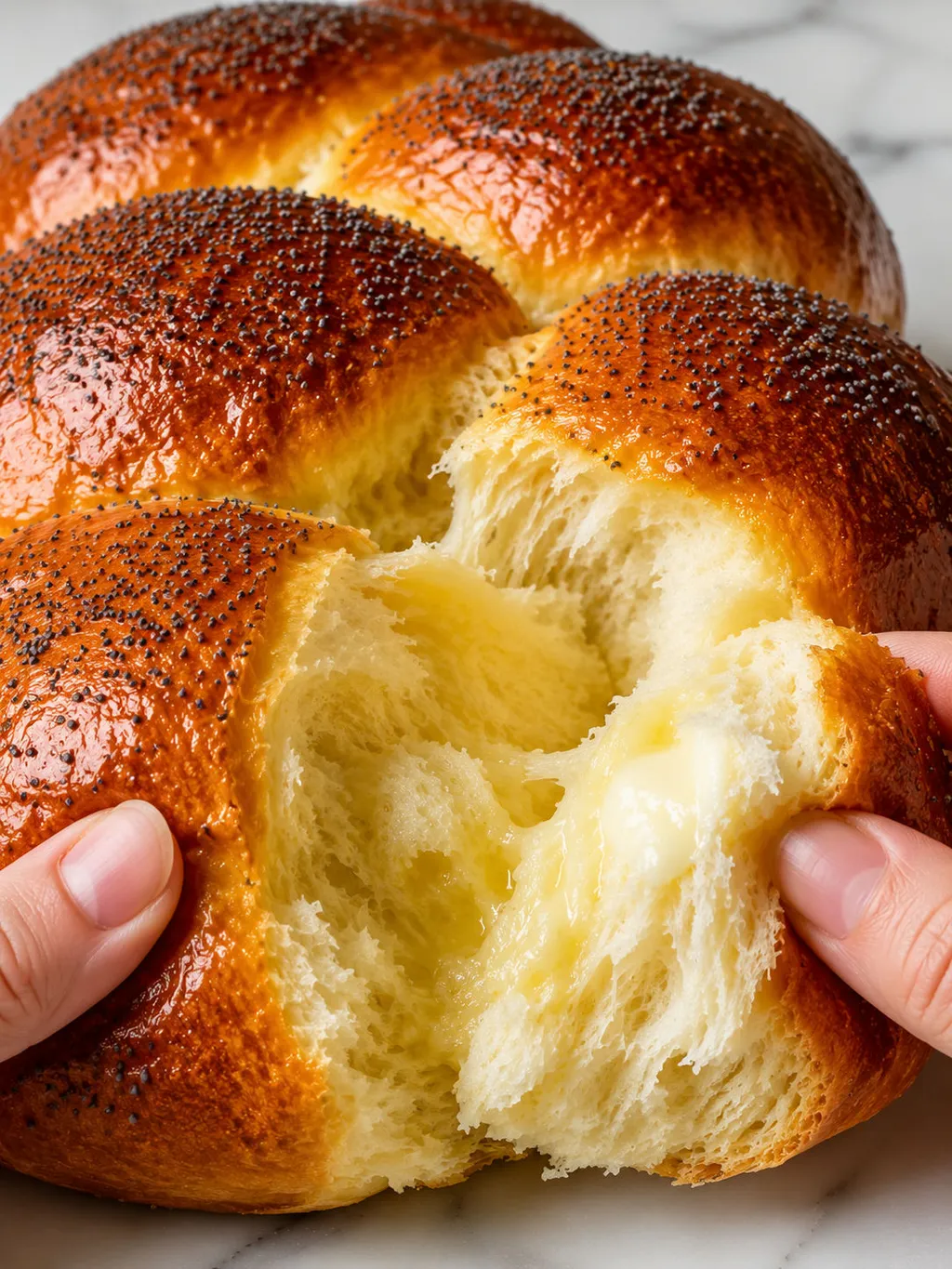
Chałka is the loaf that shows up on a Polish table every Sunday morning, at Easter breakfast, and pretty much any time someone wants the kitchen to smell like warm butter and yeast. It is a plaited egg bread, glossy on top from an egg wash, soft and a little sweet inside, the kind of loaf that pulls apart in ribbons instead of slices.
I make mine when I want something better than plain white bread but don't want to fuss over a fancy holiday cake. The dough is forgiving, the braid looks impressive for very little actual skill, and a still-warm slice with salted butter melting into it is one of the best small pleasures I know.
The Rich Dough Behind Chałka's Shine
Chałka doesn't need a long ingredient list, it needs the right ratios of eggs, butter, and milk to build an enriched dough that browns deep gold and stays soft for days. Use full-fat milk and real butter here, they carry most of the flavor.
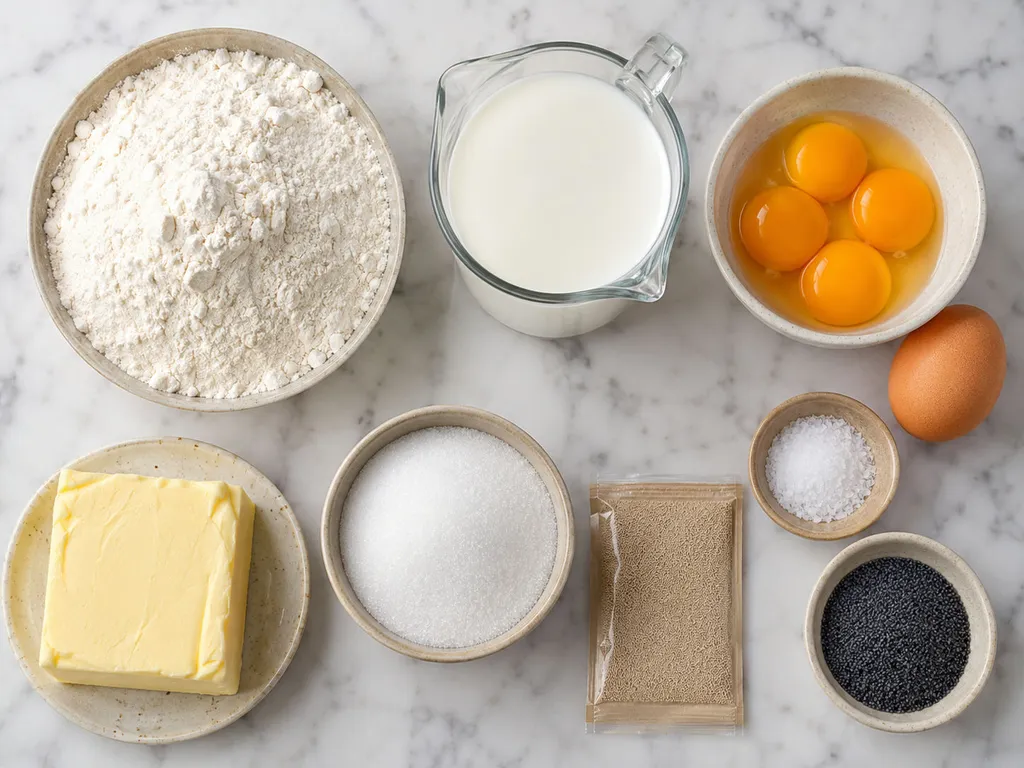
- All-purpose flour. Gives the loaf enough structure to hold a braid without turning dense.
- Instant yeast. Lifts the heavy, egg-rich dough without a long first proof.
- Whole milk. Warmed gently, it feeds the yeast and keeps the crumb tender.
- Sugar. A modest amount for sweetness and to help the crust turn a deep golden color.
- Egg yolks and one whole egg. The backbone of an enriched dough, adding richness, color, and softness.
- Butter. Worked in soft, not melted, for a tender crumb that doesn't dry out.
- Salt. Balances the sugar and sharpens the flavor of everything else.
- Egg wash. A yolk beaten with a splash of milk, brushed on twice for that glassy, deep-gold sheen.
- Poppy seeds. Optional, but traditional scattered over the egg wash before baking.
Braiding and Baking the Loaf
- Wake the yeast. Warm the milk until it feels like bathwater, whisk in the sugar and yeast, and let it sit until foamy, about 8-10 minutes. If it doesn't foam, the yeast is dead and you need a fresh packet.
- Build the dough. Whisk the egg yolks and egg into the yeast mixture, then add flour and salt and mix until a shaggy dough forms. Work in the softened butter a tablespoon at a time.
- Knead until smooth. Knead by hand or mixer for 8-10 minutes until the dough is smooth, elastic, and only slightly tacky. It should stretch thin without tearing.
- Let it rise. Cover and let rise in a warm spot until doubled, about 1 to 1.5 hours.
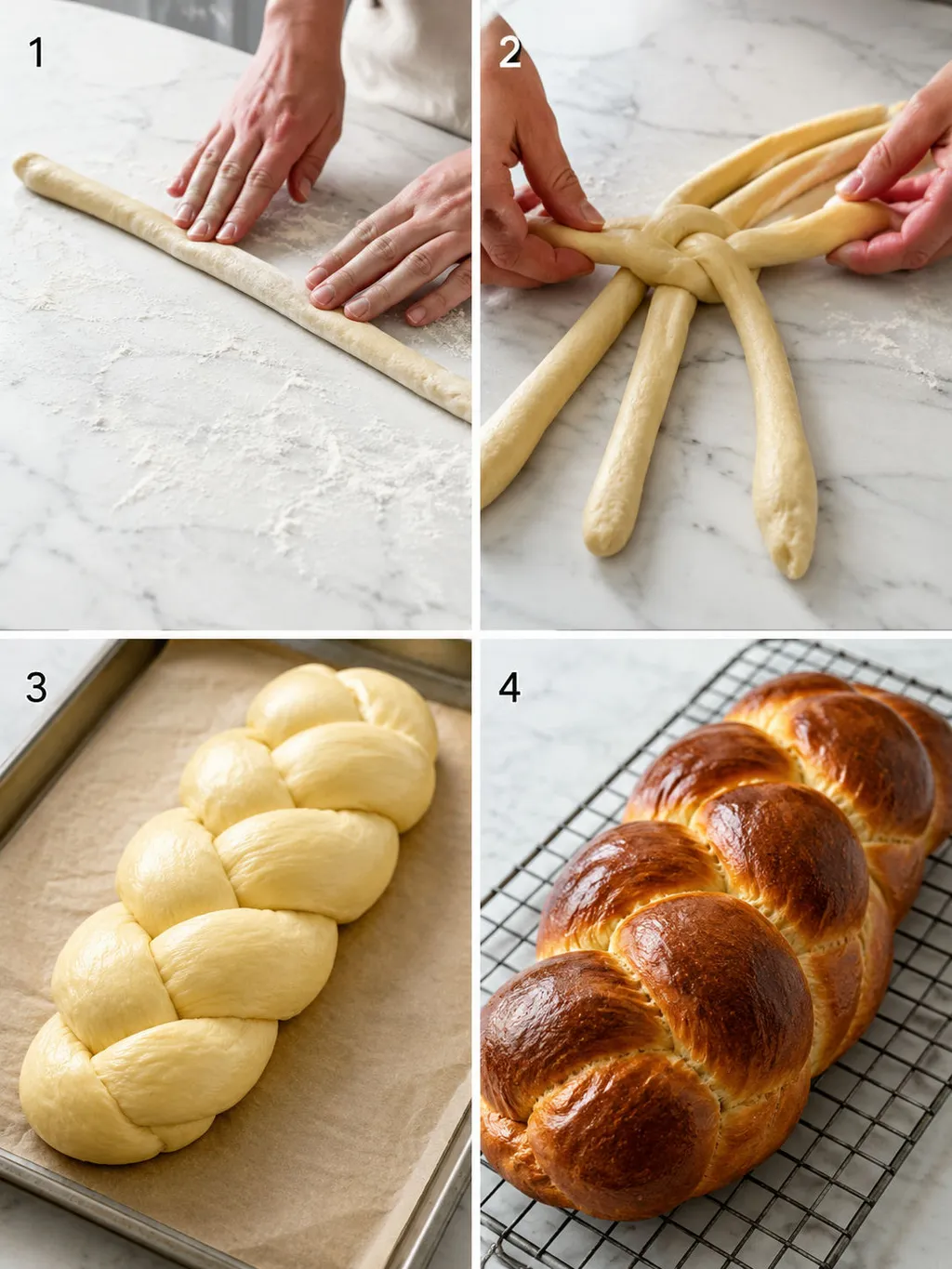
- Divide and roll. Punch down the dough, divide it into four equal pieces, and roll each into a rope about 14 inches long, tapering the ends slightly.
- Braid the loaf. Pinch the four ropes together at the top and braid them over-under, alternating, down the length, then pinch and tuck the bottom ends underneath.
- Proof, glaze, and bake. Let the braided loaf rise until puffy, about 45 minutes, brush twice with egg wash, scatter with poppy seeds if using, and bake at 350°F (175°C) for 25-30 minutes until deep golden and hollow-sounding when tapped.
Getting the Four-Strand Braid Right
The braid is the part that intimidates people and it shouldn't. Roll each rope evenly so no strand is thicker than the others, that's what actually makes an even braid, not fancy hand technique. Pinch the tops together hard enough that they won't come apart under handling, then work over-under the same way you'd braid hair: cross the far left rope over the two beside it, then the far right rope toward the middle, and repeat down the length.
Keep the tension even but don't pull tight, a slightly loose braid gives the loaf room to puff during its second rise. If a rope tears, pinch it back together and keep going, a little unevenness bakes into character, not a flaw. If you'd rather practice on a smaller yeasted dough first, drożdżówki z jabłkami use a similar dough with none of the braiding pressure.
Why the Egg Wash Turns Glossy
That deep amber shine on a good chałka comes from brushing the loaf with egg wash twice, once before the final rise and again right before it goes in the oven. The first coat soaks in a little and lets the second one sit on top and set into a lacquered finish as it bakes.
Use just yolk if you want serious color and shine, or a whole egg beaten with a splash of milk for a lighter, still-glossy crust. Brush gently with a soft pastry brush, pressing hard deflates the proofed dough. The same wash-twice trick gives challah, chałka's close cousin, its signature sheen too. If your kitchen runs cool, proof the loaf in the oven with just the light on for a gentle boost.
Swaps That Keep the Crumb Soft
All-purpose flour gives the right balance of chew and softness, but bread flour works too, expect a slightly firmer crumb. Whole milk keeps the dough richest, though 2% works fine in a pinch. For a sweeter bakery-style loaf, swap half the sugar for honey and stir a handful of raisins into the dough before the first rise.
For a treat that leans dessert, press a streusel topping, equal parts butter, flour, and sugar rubbed into coarse crumbs, onto the egg-washed loaf instead of poppy seeds. That's the version bakeries call chałka z kruszonką. If you like that direction, babka z serem i kruszonką uses the same crumb topping over a cheese-filled yeast cake.
Keeping a Loaf Soft for Days
Chałka is best the day it's baked, but it holds up well stored right. Wrap the cooled loaf tightly in a clean kitchen towel, then a plastic bag, and keep it at room temperature for up to three days, the butter and egg in the dough keep it soft far longer than a lean bread would.
Refrigerating actually dries bread out faster, so skip the fridge, and freeze extra slices in a zip-top bag for up to two months instead. The dough itself can also rise overnight in the fridge, then come to room temperature for about an hour before shaping. Since it's made with eggs and dairy, cool the finished loaf fully before wrapping, following the same food-safety basics the USDA recommends for handling eggs.
Serving Chałka the Polish Way
In most Polish kitchens chałka shows up at breakfast, torn by hand and spread thick with butter, or dunked into strong tea. Toasted, it turns into the best base for French toast you'll make all year, the eggy dough practically wants to soak up custard.
Serve it warm alongside a savory breakfast like jajecznica z kiełbasą i cebulką and let people tear their own pieces at the table, that's the tradition. For a saffron-scented variation on the same braided idea, babka szafranowa takes a similar dough in a golden, spiced direction. Leftover slices a day or two old actually work better for French toast than fresh ones, they soak up liquid without falling apart.
Najczęściej zadawane pytania
- What's the difference between chałka and challah?
They share a braided shape and enriched egg dough, but chałka is Poland's everyday version, usually a touch sweeter and often finished with poppy seeds or a streusel topping instead of left plain. Challah, the Jewish Sabbath bread, is typically kept dairy-free since it's eaten alongside meat meals. Otherwise the technique, that four-strand braid and glossy egg wash, is nearly identical.
- Can I freeze chałka?
Yes, and it freezes very well thanks to all the butter and egg in the dough. Slice the cooled loaf, wrap tightly, and freeze up to two months. Thaw slices at room temperature or toast them straight from frozen.
- Why didn't my braid rise properly during baking?
Usually it means the second rise was cut short or the kitchen was too cool. The braided loaf should look visibly puffy and hold a slow-springing dent when poked gently before it goes in the oven. Baked too early, it can split awkwardly along one side.
- Can I make the dough a day ahead?
Yes. After kneading, let the dough do its first rise in the refrigerator overnight instead of on the counter. Bring it to room temperature for about an hour, then punch it down, shape, and braid as usual.
- What can I use instead of an egg wash?
Milk or cream brushed on gives a softer, less shiny crust if you'd rather skip the egg. For deep golden shine without a full egg, a yolk mixed with a spoon of water or melted butter works nearly as well.
- Can I braid it with three strands instead of four?
Absolutely, a classic three-strand braid is simpler and looks just as good. Divide the dough into three ropes instead of four and braid them the same way you'd braid hair, it's actually the more traditional method for a smaller loaf.
- How do I know when chałka is fully baked?
The crust should be a deep, glossy gold and the loaf should sound hollow when tapped on the bottom. An instant-read thermometer inserted into the center should read about 190°F (88°C) if you want to be certain.